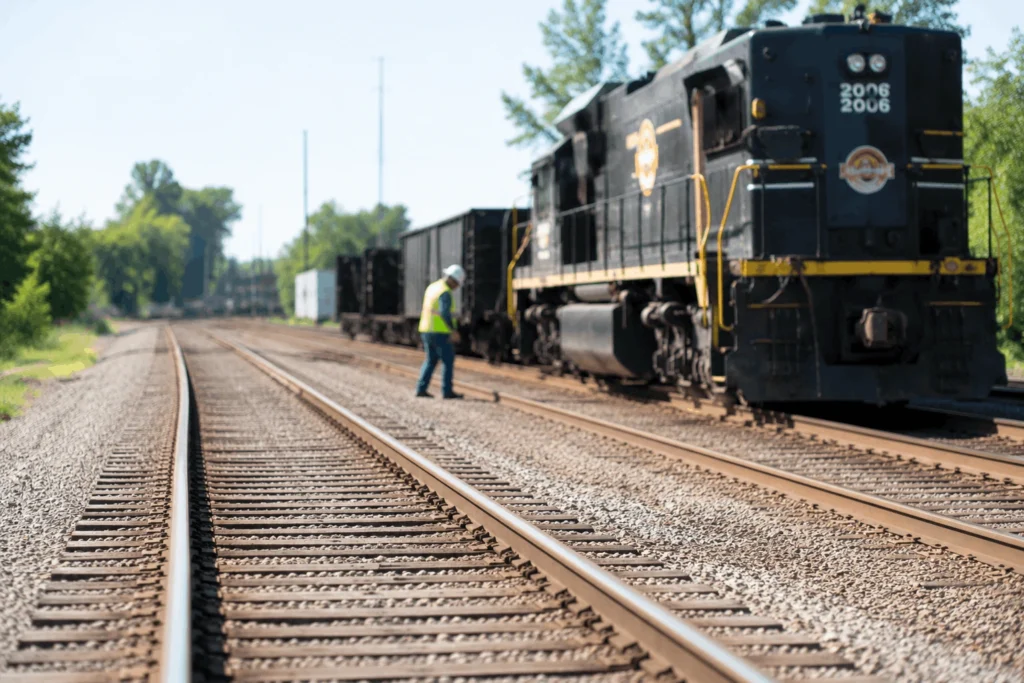
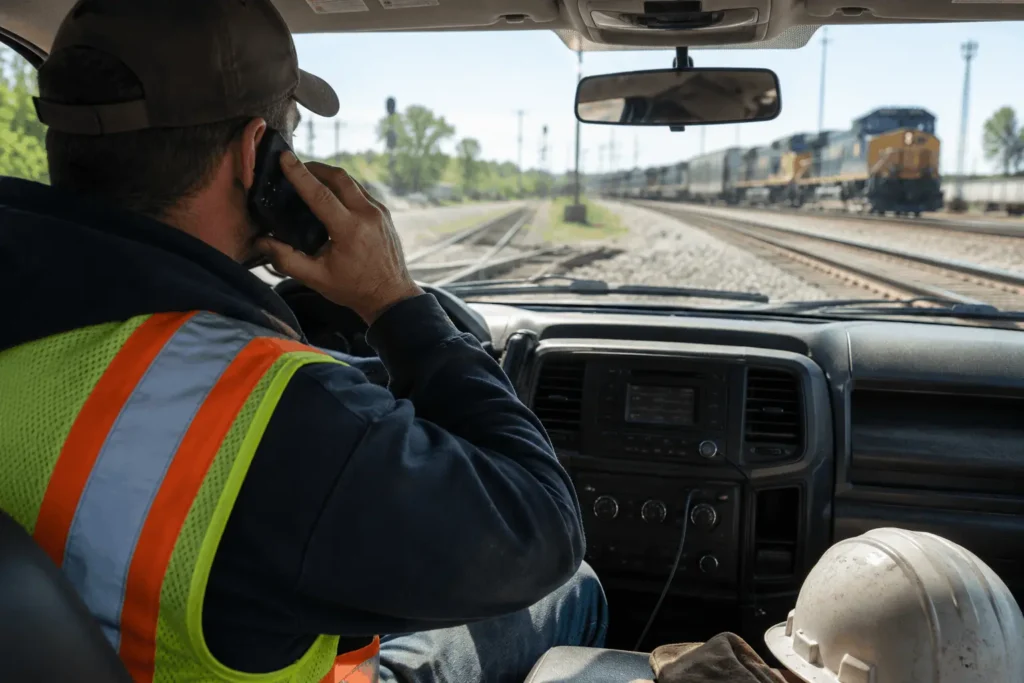
After a railroad injury, you’re not dealing with a typical claim. You’re dealing with the railroad. FELA cases come with their own rules, and we help you navigate them and move forward.
FELA & whistleblower claims
On-the-job injuries
Unsafe equipment
Accidents & derailments
$0M
Railroad injury
Secured a $6 million verdict for a railroad employee injured on the job
Standing up for railroad workers injured on the job and holding the railroad accountable under FELA
You may have a case if:
You were injured while working on or around the railroad
Unsafe conditions, equipment, or practices played a role
The railroad failed to provide proper training, tools, or protectiont
You’re being blamed, pressured, or unsure of your rights after the injury
Not sure? We’re here to help you figure that out.
“
Thank you so much for representing us and being a part of this for the whole journey. Really appreciate you for everything. You’re family now. Thank you for the coaching, the advice, and the “never giving up” mentality. It helps make us stronger. I’m so glad we chose you.
Clear answers, consistent communication, and a team that actually follows through
01
Your first call
We start by listening. Whether you reach our railroad injury lawyers in Jacksonville or a train accident lawyer Atlanta rail workers trust, you’ll speak directly with someone who understands railroad injuries and FELA and we’ll help you make sense of what happened and what your options are.
02
We gather the details
We take a closer look at how the injury happened, what conditions were involved, and where the railroad may have failed to provide a safe work environment.
03
Building your claim
These cases require more than paperwork. Because fault is a key difference in FELA vs workers compensation, we gather records, document unsafe conditions, and build a case focused on proving negligence under FELA.
04
Taking on the railroad
Whether through negotiation or litigation, we handle the process and stand up to the railroad so you can focus on your recovery.
Will I be able to reach someone?
Yes. You’ll have direct access to your attorney, and we stay responsive throughout your case. FELA claims can move quickly, and the FELA statute of limitations doesn’t wait, so we make sure you’re not left waiting or wondering what’s happening next.
How much does it cost?
There’s no upfront cost to get started. We handle FELA cases on a contingency basis, which means you don’t pay unless we recover compensation for you.
Will I be pushed to settle?
No. Railroad injury cases deserve to be handled the right way. We don’t rush FELA settlements. We focus on building a strong FELA claim and help you make informed decisions at every step.
What to do after a railroad injury
01
Get medical attention
Your health comes first. Even if the injury seems minor, get checked and follow through with treatment. This also creates important medical records.
02
Report the injury, but be careful what you say
Notify your supervisor as required, since reporting an injury is protected under railroad whistleblower rules, but stick to the basic facts. Avoid guessing, speculating, or accepting blame before you understand your rights under FELA.
03
Document what you can
If possible, take photos of the scene, equipment, and conditions. Write down what happened while it’s still fresh and keep track of any witnesses.
04
Call us before signing anything
You may be asked to give statements or sign forms early on. It’s important to understand what you’re agreeing to before moving forward.
Common causes of railroad injuries
And how they affect your FELA claim and settlement
01
Unsafe working conditions
Poorly maintained tracks, cluttered work areas, and lack of proper safety measures can create dangerous environments where injuries are more likely to happen.
02
Defective or poorly maintained equipment
Faulty tools, worn-out machinery, or equipment that isn’t properly inspected can fail when it matters most and lead to serious injuries.
03
Lack of proper training or supervision
Railroad work is complex. When workers aren’t properly trained or supervised, the risk of preventable accidents increases.
04
Failure to follow safety protocols
When safety rules are ignored or not enforced, workers are put in harm’s way unnecessarily.
05
Overexertion & repetitive stress
Heavy lifting, repetitive motions, and long hours can lead to strains, sprains, and long-term injuries over time.
06
Exposure to hazardous substances
Diesel fumes, chemicals, and other toxic exposures can cause both immediate and long-term health issues.
07
Train collisions & derailments
Major incidents like collisions or derailments can result in severe, life-changing injuries for workers on or near the train.
08
Inadequate staffing or crew support
Working short-handed or without proper support can force workers to take on unsafe tasks, rush critical steps, or operate without the help needed to stay safe.
What damages can you recover?
01
Medical expenses
This includes emergency care, hospital visits, follow-up treatment, physical therapy, and any ongoing medical needs related to your injuries.
02
Lost income
If your injuries keep you from working, you may be able to recover lost wages and income during your recovery.
03
Future medical care
Some injuries require long-term treatment. Future care needs can be considered as part of your claim, not just what you’ve already paid.
04
Loss of earning ability
If your injuries affect your ability to return to work or limit what you can do long-term, that impact may be factored into your settlement.
05
Pain & suffering
This reflects the physical pain and discomfort caused by your injuries, both immediately after the accident and over time.
06
Impact on daily life
Injuries can affect your ability to do everyday activities, spend time with family, or enjoy things you once did. That impact can be part of your claim.
07
Emotional distress
Accidents can take a mental toll as well. Anxiety, stress, and other emotional effects may be considered depending on the situation.
08
Loss of career or benefits
If your injury prevents you from returning to railroad work, you may be entitled to compensation for lost seniority, retirement benefits, and the long-term value of your career.