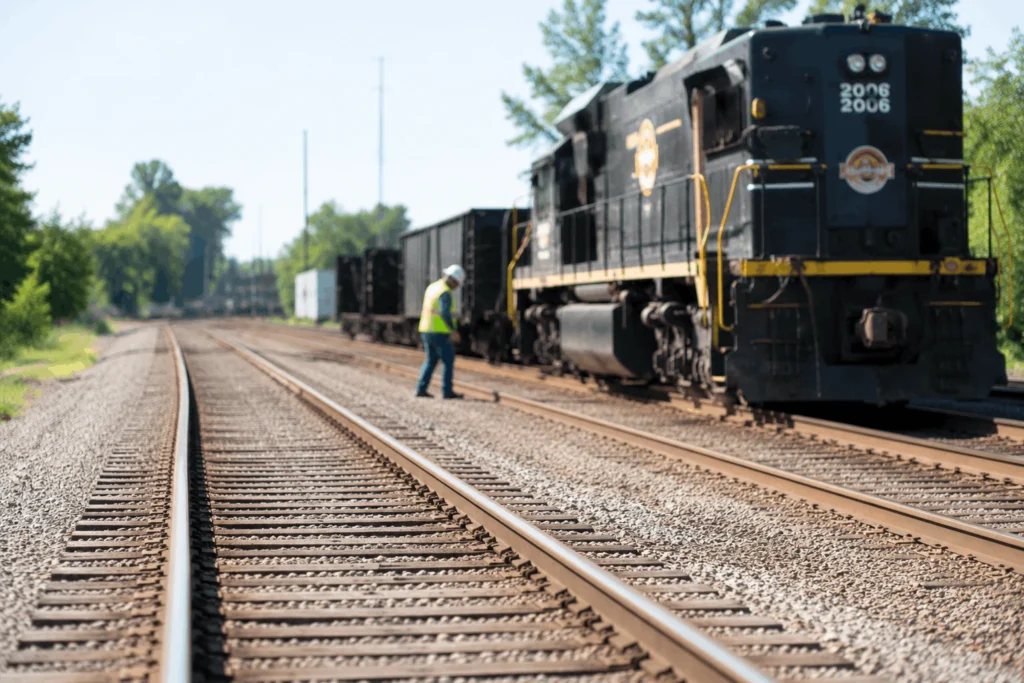
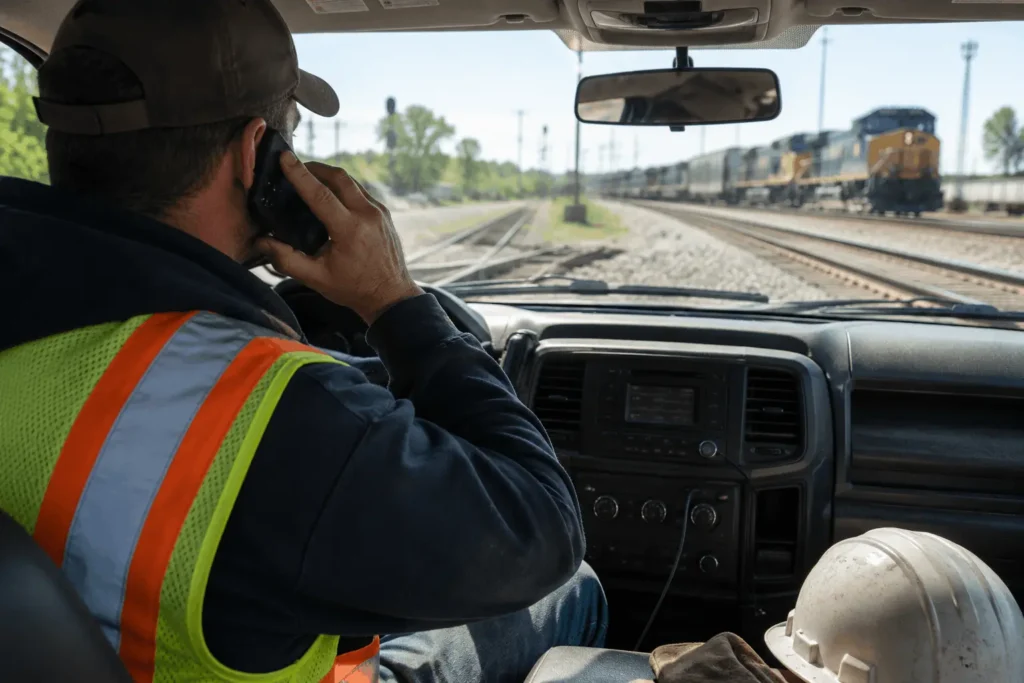
After a railroad injury, you are not dealing with a typical claim. You are dealing with the railroad, internal reporting, and a legal process that works differently from ordinary injury cases. We help injured railroad workers understand their rights under FELA and move forward with a clearer plan.elp you navigate them and move forward.
FELA & whistleblower claims
On-the-job injuries
Unsafe equipment
Accidents & derailments
$0k
Car accident injury
Minor head injury while riding a bicycle
$0k
Car accident injury
Rejected a $25,000 settlement offer from the insurance company
The days after a railroad injury are often where the case starts to take shape. Reports may be taken early. Statements may be requested before the full picture is clear. Talking with a FELA lawyer about how these claims work can make a real difference in what happens next and what options may be available.
Clear guidance and strong representation for injured railroad workers pursuing compensation under FELA
You may have a case if:
You were injured while working on or around the railroad
Unsafe conditions, equipment, or practices may have played a role
The railroad failed to provide proper training, tools, or protection
You are being blamed, pressured, or left unsure of your rights after the injury
Not sure? We’re here to help you figure that out.
“
Thank you so much for representing us and being a part of this for the whole journey. Really appreciate you for everything. You’re family now. Thank you for the coaching, the advice, and the “never giving up” mentality. It helps make us stronger. I’m so glad we chose you.
A clear process built to help injured railroad workers get answers, protect their rights, and move forward under FELA
01
Your first call
We start by learning what happened, what kind of work you were doing, what injuries you are dealing with, and what concerns you have right now. You’ll get a clearer sense of whether you may have a FELA claim and what your next steps could look like.
02
We gather the details
We take a closer look at how the injury happened, what equipment or conditions were involved, and where the railroad may have failed to provide a reasonably safe workplace.
03
We build your FELA claim
These cases require more than basic paperwork. We gather the records and evidence that matter most in a FELA claim, document unsafe conditions, review reporting issues, and build a case focused on proving negligence.
04
We take on the railroad
Whether through negotiation or a FELA lawsuit, we handle the process and stand up to the railroad so you can focus on treatment, recovery, and what comes next for your work and your family.
You may still be wondering:
Will I be able to reach someone?
Yes. You’ll have direct access to your attorney, and we stay responsive throughout your case. FELA claims can move quickly, and we make sure you’re not left waiting or wondering what is happening next.
How much does it cost?
There’s no upfront cost to get started. We handle FELA cases on a contingency basis, which means you do not pay unless we recover compensation for you.
Will I be pushed to settle?
No. Railroad injury cases deserve to be handled the right way. We do not rush settlements. We focus on building a strong FELA claim and helping you make informed decisions at every step.
Your health comes first. Even if the injury seems minor, get checked and follow through with treatment. This also creates important medical records that may matter later.
02
Report the injury, but be careful what you say
When reporting an injury at work, notify your supervisor as required, but stick to the basic facts. Avoid guessing, speculating, or accepting blame before you understand your rights under FELA. The same goes for anything you post online, where social media and personal injury claims can collide.
03
Document what you can
If possible, take photos of the scene, equipment, and conditions. Write down what happened while it is still fresh and keep track of any witnesses.
04
Call us before signing anything
You may be asked to give statements, fill out reports, or sign forms early on. It is important to understand what you are agreeing to before moving forward.
Common causes of railroad injuries
And how they can affect your FELA claim and settlement
01
Unsafe working conditions
Poorly maintained tracks, cluttered work areas, and lack of proper safety measures can create dangerous environments where injuries are more likely to happen.
02
Defective or poorly maintained equipment
Faulty tools, worn-out machinery, or equipment that isn’t properly inspected can fail when it matters most and lead to serious injuries.
03
Lack of proper training or supervision
Railroad work is complex. When workers aren’t properly trained or supervised, the risk of preventable accidents increases.
04
Failure to follow safety protocols
When safety rules are ignored or not enforced, workers are put in harm’s way unnecessarily.
05
Overexertion & repetitive stress
Heavy lifting, repetitive motions, and long hours can lead to strains, sprains, and long-term injuries over time.
06
Exposure to hazardous substances
Diesel fumes, chemicals, and other toxic exposures can cause both immediate and long-term health issues.
07
Train collisions & derailments
Major incidents like collisions or derailments can result in severe, life-changing injuries for workers on or near the train.
08
Inadequate staffing or crew support
Working short-handed or without proper support can force workers to take on unsafe tasks, rush critical steps, or operate without the help needed to stay safe.
Common injuries after a railroad injury
01
Back & spine
Back injuries, disc damage, and spinal problems are common in railroad work, especially after lifting incidents, falls, or equipment-related accidents.
02
Shoulder & knee
Heavy physical work and sudden impact can injure joints and soft tissue, especially when the body twists, braces, or absorbs force in an awkward position.
03
Head
Head injuries can happen from falls, struck-by incidents, or equipment accidents. Symptoms may not always appear fully right away.
04
Fractures
Broken bones in the arms, wrists, ribs, hips, or legs can require extended recovery and may affect both work capacity and day-to-day function.
05
Soft tissue
Sprains, strains, and muscle tears may not sound severe at first, but they can be painful, limiting, and slow to heal in physically demanding jobs.
06
Repetitive stress
Some railroad injuries build over time rather than from a single accident. Repetitive motion, vibration, and overuse can create lasting problems that still fall under FELA.
What damages can you recover?
01
Medical expenses
This includes emergency care, hospital visits, follow-up treatment, physical therapy, and any ongoing medical needs related to your injuries.
02
Lost income
If your injuries keep you from working, you may be able to recover lost wages and income during your recovery.
03
Future medical care
Some injuries require long-term treatment. Future care needs can be considered as part of your FELA claim, not just what you have already paid.
04
Loss of earning ability
If your injuries affect your ability to return to work or limit what you can do long term, that impact may be factored into your settlement.
05
Pain & suffering
This reflects the physical pain and discomfort caused by your injuries, both immediately after the accident and over time.
06
Impact on daily life
Railroad injuries can affect your ability to do everyday activities, spend time with family, or enjoy things you once did. That impact can be part of your claim.
07
Emotional distress
Injuries can take a mental toll as well. Anxiety, stress, and other emotional effects may be considered depending on the situation.
08
Loss of career or benefits
If your injury prevents you from returning to railroad work, you may be entitled to compensation for lost seniority, retirement benefits, and the long-term value of your career.
What affects the value of a railroad injury claim
01
Severity of injury
More serious injuries usually lead to higher medical costs, longer recovery, and greater disruption to your work and daily life.
02
Length of treatment
Ongoing treatment, therapy, specialist care, or future medical needs can significantly affect the overall value of a FELA claim.
03
Lost work & benefits
The more an injury affects your ability to return to railroad work, maintain seniority, or keep long-term benefits, the more important that loss becomes in evaluating the case.
04
Clear negligence
Cases with stronger proof that the railroad failed to provide a reasonably safe workplace are often easier to position than cases where the facts are disputed.
05
Quality of documentation
Medical records, photographs, witness statements, incident details, and consistent treatment often make a major difference in how a railroad injury claim is valued.
06
Long-term career impact
If the injury changes the kind of work you can do or takes you off the railroad entirely, that long-term effect may significantly increase the value of the claim.
Get answers quickly and speak directly with a Jacksonville FELA railroad injury attorney — no pressure, no confusion
If you are dealing with a railroad injury, treatment, missed work, or pressure from the railroad after an on-the-job incident, we can help you understand what comes next and whether you may have a FELA claim worth pursuing.